Young people worldwide have it right. The US needs to embrace its responsibility and work to keep the carbon in the ground and out of our atmosphere. Fracking and the infrastructure needed to get its products to market is not in the public interest.
Our politicians are protecting the wrong people. We must protect our kids not those who make money on the carbon that killing the planet and these children’s hope of a good life.
While employees may be loyal, new eyes see better options.
In the race to recruit the next generation of engineering minds, oil and gas are coming up short. According to data from the Higher Education Statistics Agency, the number of grads going into the petroleum exploration business in 2017 was at the lowest level since 2012, down 61 percent in four years. Part of that is that people want to work for ethical companies, and in an era of climate change awareness — when 67 percent of students consider doing a job that contributes to climate change to be unethical, and 91 percent care about working for an ethical company — oil and gas companies are not necessarily coming out in credit. The average age of workers in the industry is 42.2.
If the agency allows pollution and bars challenges to its rulings, who or what is it protecting?
E.P.A. Plans to Curtail the Ability of Communities to Oppose Pollution Permits
The agency is preparing to weaken rules that, for a quarter-century, have given communities a voice in deciding how much industrial pollution may legally be released nearby.
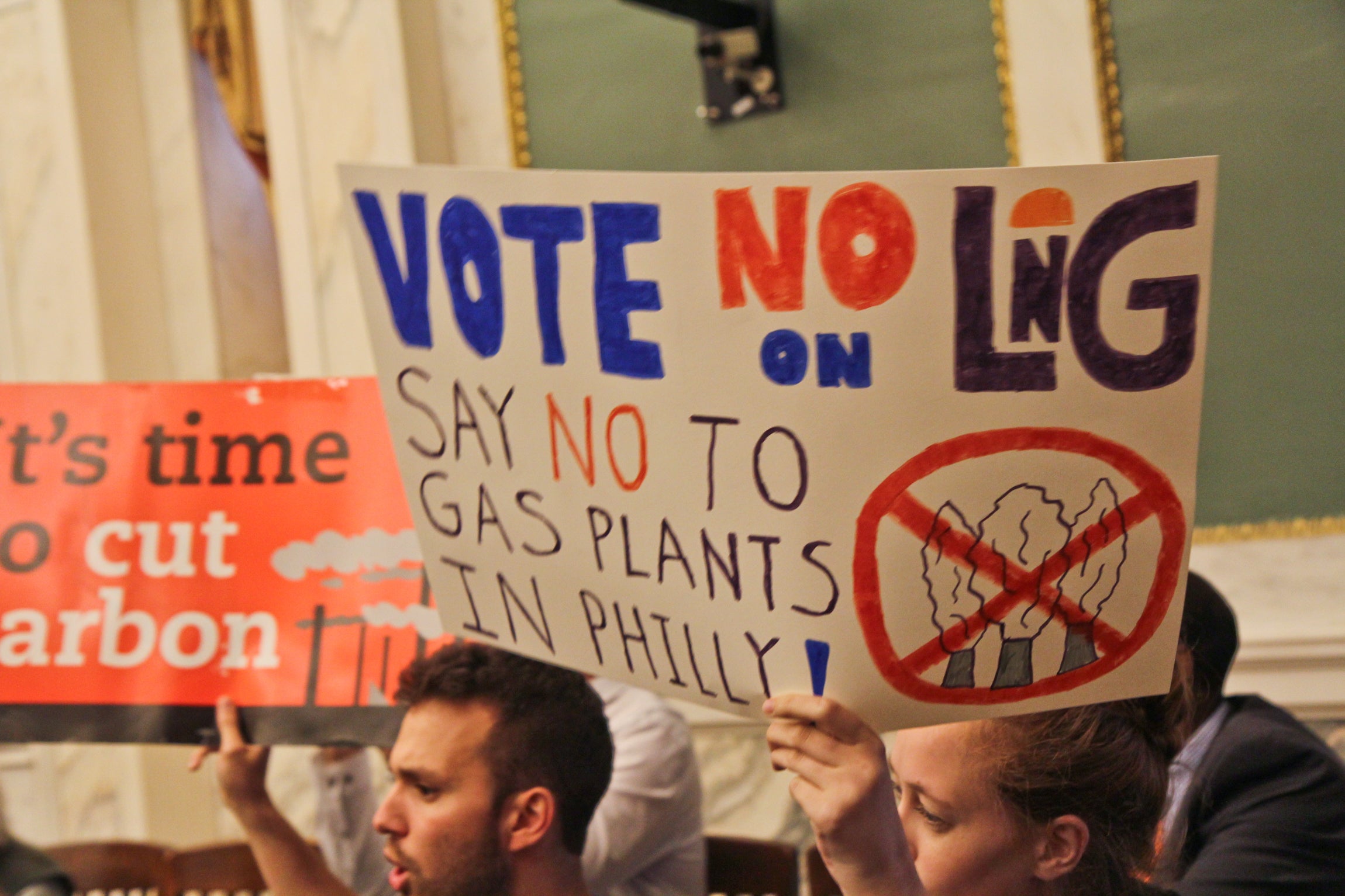
The Philadelphia City Council approved the plan to build a Liquid Natural Gas Plant. This is the keystone of a project to bring PA natural gas to the world energy market when the long view says we should keep it in the ground for the sake of the planet and the interests of most PA citizens.
The promise of a revenue stream prompted the decision. Like so many energy decisions we make daily, this one has a cost to future generations that we can ignore for the moment. Who will notice or be able to measure the incremental impact on climate deterioration? For Philadelphia it a freebee – a simple vote “yes” yields an economic benefit.
But it also paves the way for a chain reaction of accelerated fracking, more pipelines, and cheap fossil fuel and indestructible plastic waste. All of these have long-term adverse impact on Pennsylvania residents and longer-term impacts on global progress toward a sustainable energy system.
Philadelphia City Council approves PGW’s new LNG plant
In a 13-4 vote, Philadelphia City Council approved a new $60 million LNG facility, despite the opposition of environmental groups.
PA Residents Shoulder Health Impacts of State’s Oil and Gas Waste
Our state and federal government provide both cash and less obvious forms of support for the fossil fuel industry. Among these is the privilege of degrading the environment, acquiring right-of-way through eminent domain, and destructively using infrastructure built at public expense without direct compensation to those affected.
The current PSE Quarterly documents some of the ways quality of life is harmed by extraction operations.
PSE Energy Quarterly | Spring 2019
PSE Energy Quarterly is the newsletter of Physicians, Scientists, and Engineers for Healthy Energy, a nonprofit research institute dedicated to supplying evidence-based scientific and technical information on the public health, environmental, and climate dimensions of energy production and use.
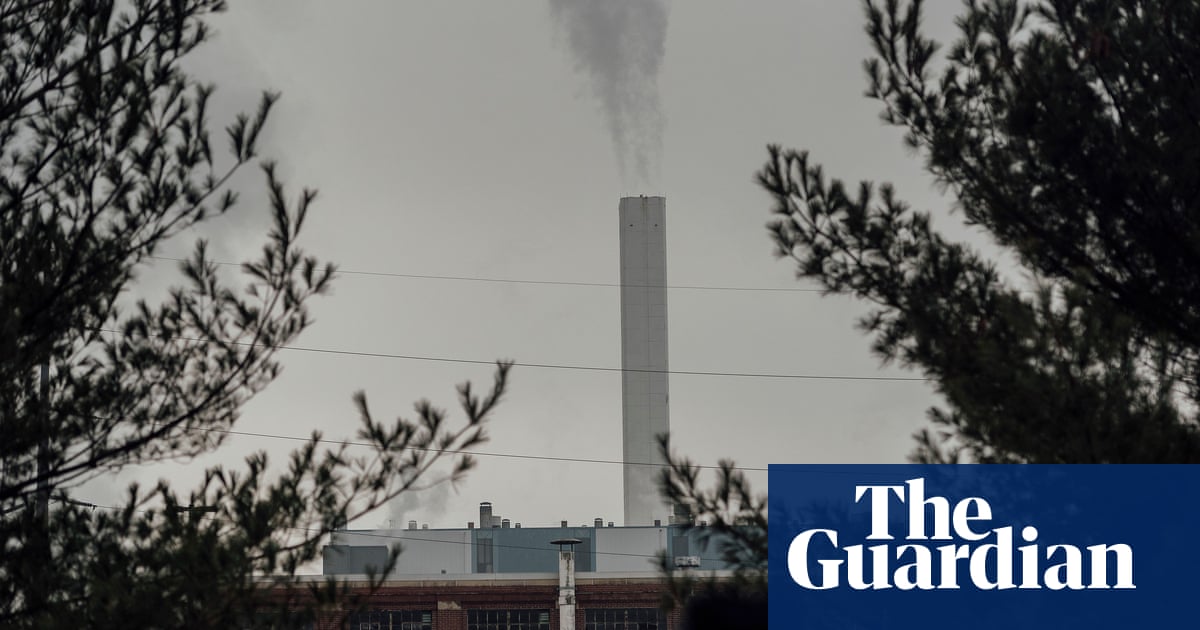
Burning trash is not the answer to energy. You probably knew that, but just to bolster your understanding of the local consequences, here’s an article from the Guardian.
Revealed: 1.6m Americans live near the most polluting incinerators in the US
Lower-income and minority communities are exposed to majority of the pollution coming from waste-burning plants, report finds
“The 2018 edition of the Compendium of Scientific, Medical, and Media Findings Demonstrating Risks and Harms of Fracking updates the rapidly expanding evidence indicating harm to health from fracking and methane infrastructure.”
The op-ed below (We Don’t Need Another Superfund Site) expresses the sentiments of many in Bucks County. Putting toxic wase processing in a floodplain on the banks of the Delaware is foolish. The reason these things are subject to regulation and permitting is because they are dangerous and require public permission for the risk.
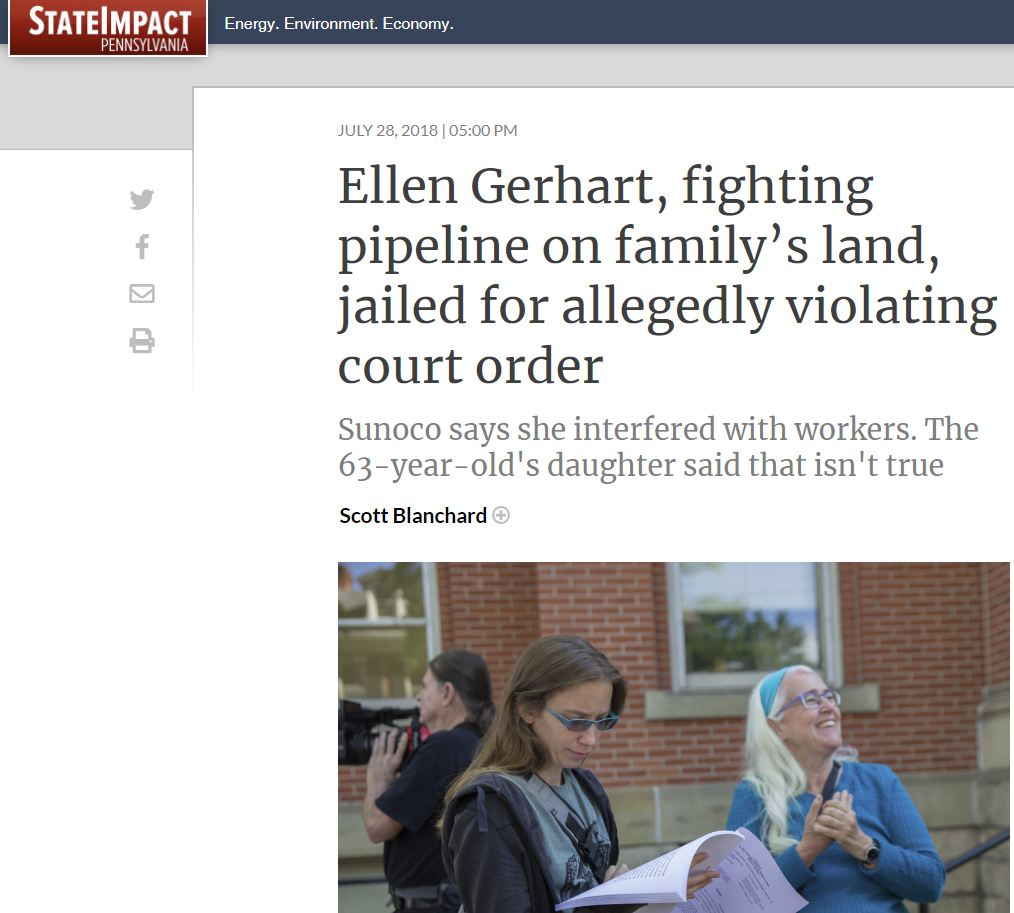
The legislators and courts of Pennsylvania are on the side of the fossil fuel developers and are supporting the development of pipelines through privately owned lands. Using the sovereign power of eminent domain to take the land from its owners, the state enables pipeline developers to get their toxic product to market. This is not for the benefit of the people of Pennsylvania, but for the special interests that are extracting the natural gas and selling it for profit.
When eminent domain is used to provide highways, public transportation, or the delivery of needed utilities people generally grudgingly accept that it is justified for the greater good of all. But this is not even remotely the case here. There is a surplus of gas. The new pipelines have a purely commercial purpose. And that purpose is not in the public interest. Burning that gas, or making plastic from it, anywhere on the planet creates hazards to health that will persist for generations. It should stay in the ground, and Pennsylvania should not be compelling people to sell their land for pipelines.
We can’t help but sympathize with Ellen Gerhart and others whose lives and homesteads are being savaged. (Click to read article)




You must be logged in to post a comment.