Activists pledge to resist any federal effort to lift fracking ban in Delaware River Basin • Pennsylvania Capital-Star
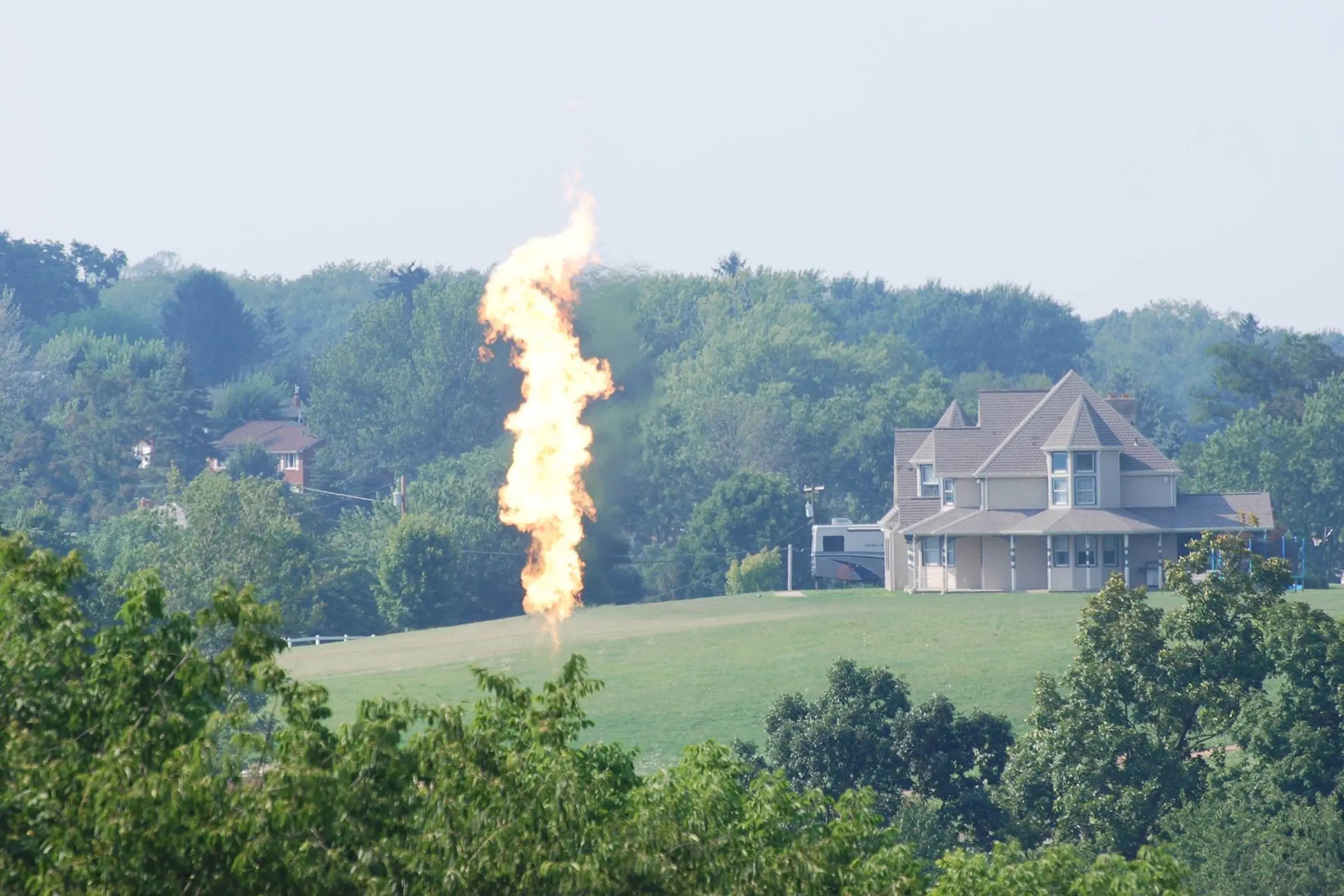
Fears that the Trump administration is looking for ways to lift a longstanding ban on fracking for natural gas in the densely populated Delaware River Basin—which includes part of Pennsylvania—have prompted environmentalists to seek public support for a commitment to defend the regulation.
Bloomberg reports that fracking is being adversely affected by tariffs and lower-cost alternative sources. The Bloomberg article is behind a paywall, but the take-away is clear. Fracking isn’t thriving with the glut of gas. Yet energy producers refuse to leave it in the ground.
Fossil energy is expensive to produce even with fracking, and that production cost does not include pricing in the costs and damage from burning it as fuel or making it into plastics.
Fossil-fuel pledge in EU-Trump deal sparks climate fears
The EU is promising colossal new US fossil fuel purchases under its trade deal with President Donald Trump, raising concerns for the bloc’s climate fight — should the mammoth pledges
It’s evil. It’s IBG/YBG. . . the attitude that says, “I’ll be gone and you’ll be gone,” so we needn’t worry about long-term consequences. Enjoy the money, exploit the moment, “Devil take the hindmost. I don’t have to outrun the ravenous bear; just be a bit faster than you.
Managers have a practice of arranging a set of benchmark statistics into a “dashboard” to have a way to provide critical performance information at a glance. Tracking benchmarks is an early warning system for emerging problems. This article discusses monitoring such a dashboard for those who drill for oil and gas.
There are thousands of “Notices of Apparent Violation” or NOVs. Pennsylvania is not known for being strict or strong on enforcement action. This record speaks volumes about the Energy Industry and lack of Stewardship.
PA Oil & Gas Weekly Compliance Dashboard – July 5 to 11 – Shale Gas Wastewater, Fracking Chemicals Release; Water Pipeline Rupture; Crude Oil Spills; More Abandoned Wells
From July 5 to 11, DEP’s Oil and Gas Compliance Database shows oil and gas inspectors filed 559 inspection entries. Follow these l…
Injection wells are blamed for small earthquakes and, if not done right, the waste water can migrate to the aquifer. The injection well itself is a puncture of the layers of strata that would otherwise isolate the aquifer from the nasty stuff in the fracked layers below. The energy industry thinks it has the right to put produced wastewater back into a frack hole they don’t use for production. What could possibly go wrong?
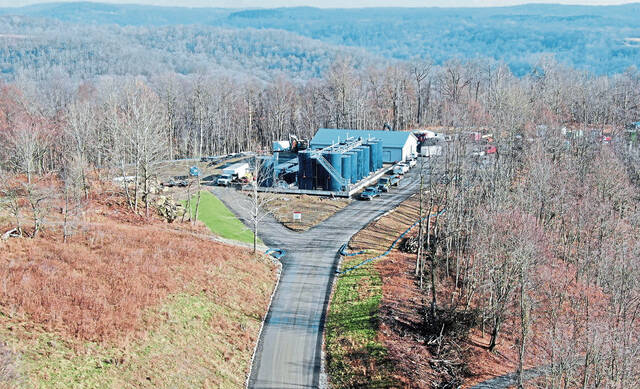
Plum fracking injection well battle continues as company appeals rejection
The years-long battle over a second injection well in Plum will continue. That’s because oil company Penneco Environmental Solutions filed an appeal in Allegheny County Court on Friday to the Plum Zoning Hearing Board’s rejection of the well last month. The Delmont-based firm has been attempting to convert a natural
The Energy Industry has long spread disinformation and done cover-ups to avoid public outrage at their actions. That’s why it is important to note reports of wrongdoing, even though they may not be here in Pennsylvania. Citizens should not trust or rely on fossil fuel producers to be responsible for the far-reaching costs and effects of their operations.
Environmentalists Think Incomplete Disclosures on Chemical Use in Colorado Is a Fracking Shame – FindLaw
Energy companies fracking in Colorado are getting around a state chemical disclosure law by using “the Halliburton Loophole.” Learn about the situation at FindLaw.
Pa. Senate bill would cut impact fees for communities that restrict fracking
Former DEP secretary David Hess says a Senate bill is meant to punish communities that try to protect their health and environment from fracking impacts.
Contrary to industry cheerleading, gas is not a better energy option than other fossil fuels. Fracking destroys agricultural and forest land, pollutes air and water and poses serious risks to public health, e.g., seven times the risk of lymphoma and a 20% increase in hospitalizations for children with asthma.
Increasingly, Pennsylvania residents don’t want these industrial operations near their homes, schools or churches. The letter “We need truth on air quality” (May 6, TribLive) challenged area air monitoring results that indicated poor air quality because, the writer noted, some monitors were placed near frack operations. However, approximately 1.5 million Pennsylvania residents live within a half-mile of oil/gas wells, and millions more near compressor stations and processing facilities. A perhaps unintended message was that Pennsylvania residents get it, fracking is a dirty business.
The letter “Data center concerns, opportunities” (May 2, TribLive) supported the proposed Upper Burrell AI site because it will provide its own energy. However, “its own energy” will come from six on-site fracked well pads. All of this is a real concern as research continues to indicate serious health concerns, as violations mount (roughly 25,000 since 2008), and unplugged frack wells are abandoned (171 to date) with plugging expected to cost up to $8.5 billion.
The Trib has reported on local action on zoning ordinance restrictions for solar and wind sites. Is the same consideration being given to frack sites which pose real risks to the land and residents? If not, why not?
Paul Krugman’s 5-13-25 column provides a key insight into the relationship between renewable energy and fossil energy. Renewables are competitive, even when we don’t take into account the hidden subsidies society provides fossil fuels by tolerating the externalized environmental damage. If a driller can’t get at least $60 a barrel for oil produced, it doesn’t pay to drill. Gas has a similar threshold of profitability. So when the energy industry waxes poetic about the benefits of drilling, look for the dodge and the gimme. The driller needs a premium price for the energy he mines. And the cost of renewables will continue to drop.
In the case of shale, it’s all about prices. Drilling new shale wells is expensive. In fact, Trump’s vision of drastically lower oil prices never made any sense, because any large drop in oil prices would make new shale wells unprofitable. And since production from any given shale well drops quickly over time, anything that caused new drilling to fall substantially would quickly translate into declining oil production.
How low would prices have to go to shrink the U.S. oil industry? Recently the Dallas Fed did a survey which suggested that drilling in many major fields would stop if the price per barrel fell below the low 60s:
And that was before Trump’s tariffs raised costs, so the critical price is probably higher now. And guess what: oil prices right now are at a level where we can expect production to fall. Here are oil futures:
Source: Bloomberg
Why did oil get cheap? Look at the sudden drop on April 2, aka Liberation Day, when Trump first announced extreme tariffs. It’s obvious that oil prices are down thanks to pessimism about the global economy, which in turn is tied to Trump’s trade war. And by the way, that war is by no means over. A new analysis by the Yale Budget Lab finds that the damaging effects of Trump’s tariffs are only modestly mitigated by his surrender to China.
And as for renewables: Trump hates them, wind power in particular. He offers crazy justifications for that hatred — did you hear about his claim that offshore wind farms kill whales? — but it’s pretty clear that he has been nursing an irrational grudge ever since he was unable to stop a Scottish wind farm that he thought ruined the view from a golf course he owns.
Oh, and I’m pretty sure that MAGA types in general dislike renewable energy because they don’t consider it manly.
So what will be the economy-boosting effects of drill, baby, drill? Nil, baby, nil.