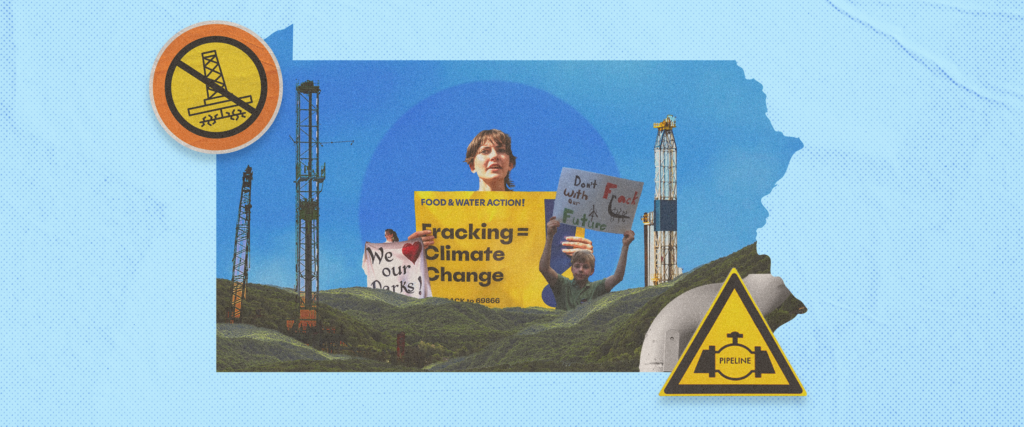
LNG (Liquid Natural Gas) makes it possible to transport large quantities of fossil energy to foreign countries that want to make plastic or burn it as fuel. Neither of these uses is kind to Mother Earth.
Tracking Fracking | Watershed Sentinel
In light of new research on health impacts, a working group is renewing calls to to add fracking chemicals to Canada’s National Pollution Release Inventory.
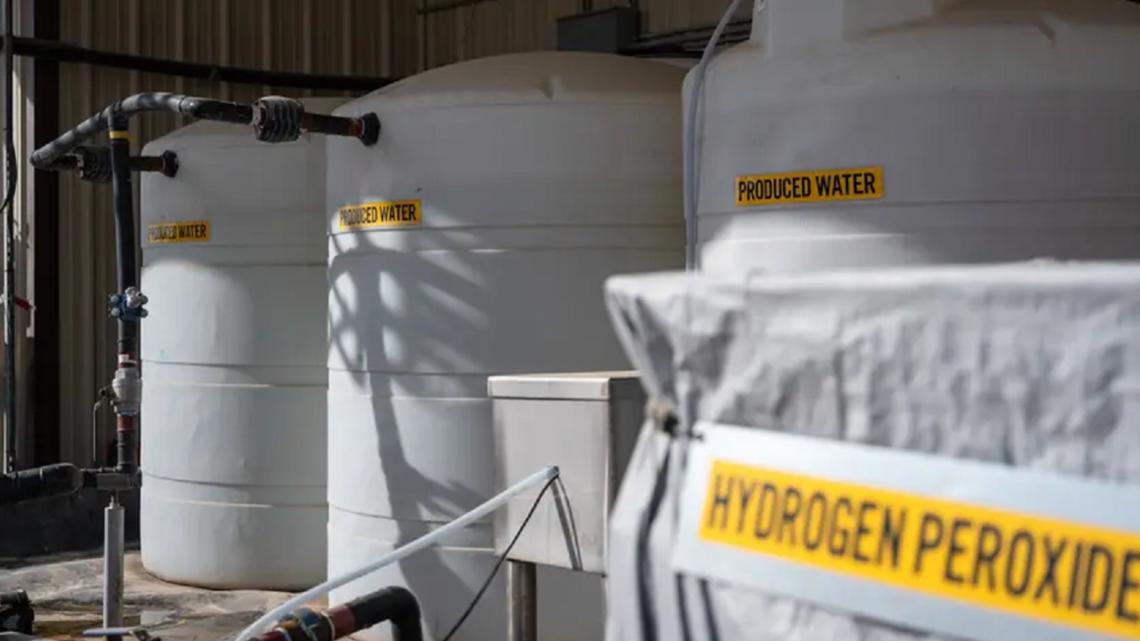
Produced water, now expensive to dispose of, may become a valuable byproduct in the future. So the industry is pleased to have won a court battle over who owns it. I wonder if they’ll pony up the cash to pay for the harm it does when it pollutes local wells and streams.
Texas Supreme Court Rules on Produced Water Ownership – Inside Climate News
The justices ruled Friday that the company holding the oil and gas lease also lays claim to the produced water. The ruling comes as more companies are seeking to turn a profit on what has long been considered a vexing waste stream.
The energy industry is notorious for doing the bare minimum in terms of ethical and legal protection of the environment. Here’s more news of environmental concerns.
Truckers Say Oil and Gas Companies Are Violating Hazardous Materials Transport Regulations – Inside Climate News
The fracking industry says its operators strictly adhere to regulations, and it has “no greater priority” than ensuring worker and community safety.
The Energy Industry has long spread disinformation and done cover-ups to avoid public outrage at their actions. That’s why it is important to note reports of wrongdoing, even though they may not be here in Pennsylvania. Citizens should not trust or rely on fossil fuel producers to be responsible for the far-reaching costs and effects of their operations.
Environmentalists Think Incomplete Disclosures on Chemical Use in Colorado Is a Fracking Shame – FindLaw
Energy companies fracking in Colorado are getting around a state chemical disclosure law by using “the Halliburton Loophole.” Learn about the situation at FindLaw.
So you’d like to contribute the water your wells produce to help alleviate the water shortage, but you need a bit of protection? Why?
Oil companies want protection as Texas considers allowing treated fracking water released into rivers
As the state grapples with a threatened water supply, industry and lawmakers have invested millions in research to clean the toxic backwash for use in agriculture.
[T]he oil and gas industry is hesitating to expand this effort [to reuse produced water] unless it can be sure it is shielded from liability after it hands off the water. You could be forgiven for doubting that anything good would come of “shielding from liability.” After all, these are big powerful companies, the backbone of American enterprise, they would certainly be ethical and honest in such matters.
Yes, I am being facetious. Big Oil and Gas have a terrible record for social and environmental responsibility. Giving them protection from liability would be naive and stupid. The cost of insurance, the cost of cleaning up the toxic byproducts should already be priced in, but it isn’t. That’s just another example of the hidden ways the public subsidizes fossil energy.