

Radium from Marcellus Shale
Studies of mussels downstream of a fracking water treatment facility found them to have radium which was likely from the produced water of fracked wells. “[The researcher explained] that other types of wastewater generally do not contain many radioactive particles, but oil and gas wastewaters found deep in the earth and brought out by fracking often contain specific unique element ratios—a kind of signature that can be traced. The unique ratios of radioactive elements allowed the team to identify that the source of the contaminants is likely the treated Marcellus Shale wastewater.”

Mussels downstream of wastewater treatment plant contain radium, study reports
Burrowed into streambeds and rarely moving for their decades-long lifespans, freshwater mussels are biomonitors, meaning they indicate how clean their environment is, according to Penn State researchers. As the bivalves feed on organic matter and filter the water around them, their inner tissues and hard shells begin to reflect whatever is in their environment—including radioactive particles.
The evidence keeps piling up. The harmful effects and risks of fracking are serious, and the benefits to society are next to nil. We know we need to keep fossil fuels in the ground, but the energy industry seeks to obscure and marginalize the risks. Moreover, it has a poor record of doing the right thing to mitigate the damage it causes.
Lithium from Produced Water
The water produced by fracking operations contains a lot of nasty stuff. However, commercially interesting amounts of lithium might be recoverable. The article below doesn’t deal with the question of what we do with all other rest of the nasty stuff. It says, “And once the lithium is extracted, there is still the issue of disposal of the remaining wastewater that could still contain toxic substances, whether it gets used to frack another well or if it gets shipped off to a deep injection well for disposal.”
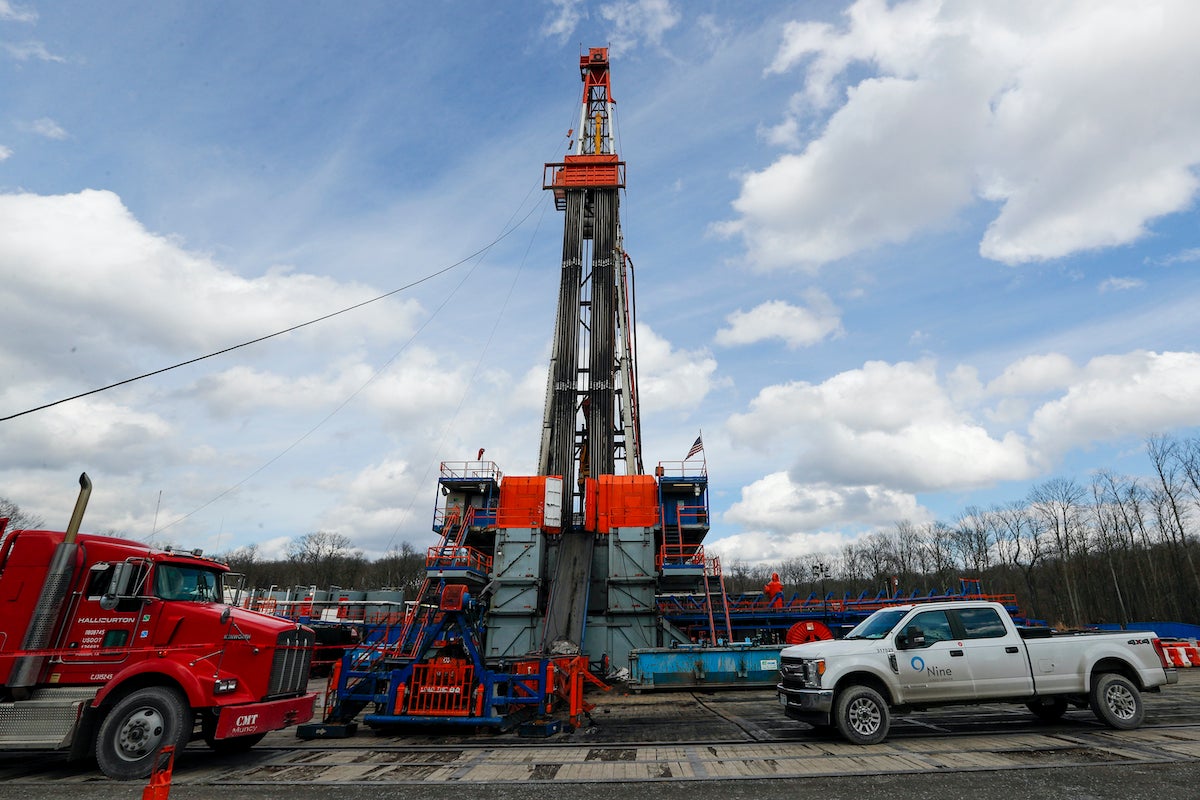
Banning of CO2 Fracking
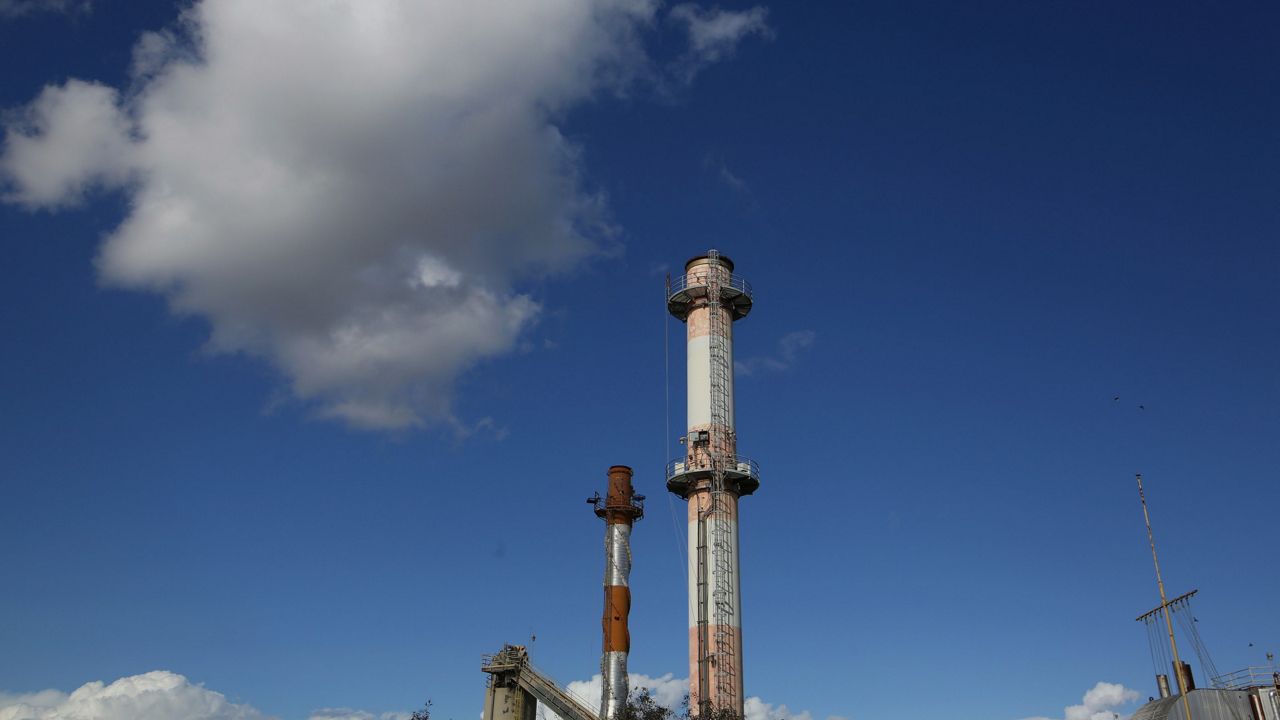
CO2 Fracking?
It would seem an obviously bad idea to use a greenhouse gas for fracking, wouldn’t it?
Abandoned Wells Will Cost Us Billions
They are orphans because the people who profited from them left it for the rest of us to be responsible and close them. It looks like even $4.7 Billion won’t be enough to plug the orphans.

Irresponsible
The ongoing and expensive problem of orphan wells should remind us NOT to allow environmental costs to become “externalities” in the energy economic model. The industry continues to exploit it’s political power and economic dominance, leaving the rest of society to clean up the mess and suffer the health consequences. Fossil fuels are killing us slowly and will for generations to come.

“DRILL AND DITCH”
Lest you be lulled into thinking that energy companies have seen the light and turned over a new leaf, this was just published by Spotlight PA:
A new report by Pennsylvania’s Department of Environmental Protection says conventional oil and gas drillers improperly abandoned thousands of additional wells here between 2017 and 2021 — often with impunity.
Abandoned wells leak the greenhouse gas methane, which contributes to climate change, and drillers are required to report and plug them.
Otherwise it falls to the state, “the plugger of last resort,” which already has an estimated 200,000 wells to close at an average cost of $30,000 a piece.
“The industry’s recent record of compliance is troubling and requires DEP’s Office of Oil and Gas Management to explore new techniques for deterring violations and encouraging compliance,” the report says.
Read more (click here)
Not so benign
My childhood was shadowed by asthma and frequent bronchitis. We lived in Cleveland where open hearth furnaces and coke plants tainted the air with soot and corrosive sulphur. There is a reason that it is called “the rust belt.”
But the friendly ol’ gas stove we cooked on may have contributed. Read more below.
Read more: Not so benignStoves
The U.S. Consumer Product Safety Commission is weighing action on the indoor air pollution caused by gas-powered stoves. Such appliances are in use in 40 percent of homes in the U.S. and emit nitrogen dioxide, carbon monoxide and fine particulate matter at levels that the EPA has linked to respiratory illness. The data is particularly worrisome when it comes to kids and air pollutants from stoves: A new study published last month in the International Journal of Environmental Research and Public Health found that over 12 percent of childhood asthma cases in the United States could be attributed to the usage of gas stoves.
Ari Natter, Bloomberg via NumLock News
The US has a huge investment in natural gas infrastructure. We would like to think of gas as the most benign of the fossil fuels — you can burn it in your unvented kitchen or an unvented fireplace. But now we suspect there is a grim hidden cost. It’s hurting our kids.
Can we find ways to leave natural gas in the ground? For the sake of our children and our planet?
No Integrity
You have integrity when what you do matches what you say and vice-versa.
It comes as no surprise that the energy industry has been called out yet again for misleading the public. They aren’t walking their talk, and we should ignore what they say and watch what they do.

A parenthetical note: the Keystone Pipeline had another big leak of about half a million gallons, proving once again that pipelines are dangerous and that we can’t rely on the industry to engineer or manage them to be accident-free. There will always be significant and unavoidable risks that those along the pipeline are exposed to so that the rest of us can have cheap and abundant fossil fuels.
Another observation: OPEC is supporting the price of oil by limiting production, while the US is buying oil when the price of crude dips to replenish reserves previously released to reduce the price at the pump. This has the effect of a subsidy or price support. These actions stabilize the price at the current levels.
We need to subsidize clean energy to encourage the development of alternatives. One wonders what would accelerate the development of fusion energy. Tomorrow scientists are expected to announce that a controlled nuclear fusion reaction produced more energy than it took to start it. That’s a first and a milestone. But practical fusion power generation is still decades away.
Even so, there is a convergence of new energy sources: wind, solar, and, eventually, fusion. We must focus on leaving carbon fuels in the ground, they are destroying us. The money they represent is corrupting our energy priorities. Good energy policy can’t be built on self-serving disinformation.