Blog

  • Justice for Dimock

    For years we have pointed to the residents’ of Dimock, PA experience as evidence of the damage caused by fracking. Now, after fourteen years, residents have hopes that their homes will enjoy good water. It took a dramatic and controversial documentary film and aggressive litigation against a recalcitrant company. I hesitate to say that anybody “won” in this process. The sixteen-million-dollar water system will deliver potable water that residents once drew from their wells. That doesn’t make up for the years of hauling water, the compromised property values, and the disruption of community life.

    It looks like the executives of the oil company that caused all the problems have not been held accountable. The company has a new name and is posing as reformed. But Dimock remains scarred and damaged by fracking. Nothing in the legal victory can restore the lost time or cure the disruption. As we often point out, fracking does nothing to improve the environment, and the “mailbox money” and temporary employment the industry generates for locals do not offset the harm.

    Let Pennsylvania citizens continue to resist the efforts of the gas and oil industry. The industry still seeks to pipe Pennsylvania gas to terminals for liquefication and shipment offshore, where it will be burned or made into polluting “disposable” single-use plastic products. Read the WHYY story below (click picture).

  • What could go wrong?

  • Boondoggle

    Gaming the system is what “smart” businesses do these days. The report quoted below is from the ICN Sunday Morning newsletter. Read and weep.
    ——————————
    Liquefied natural gas vessels are fueled by their cargo—they’re built specifically to make use of the gas boiling off from their tanks.

    But Cheniere Energy, the largest U.S. exporter of LNG, requested “alternative fuel” tax credits for that. The claim baffled shipping experts, because what Cheniere Energy is doing isn’t, in any real sense, an alternative. It also provides little climate benefit over fueling the vessels with diesel and uses the credit in a way that tax specialists say was never intended. 

    Yet the Internal Revenue Service approved a $370 million payout to the company, a huge windfall that Phil and Peter predicted in an exclusive investigation earlier this year. Now, a group of seven Senate Democrats have launched a probe over the controversial tax credits and financial boon to Cheniere Energy. 

    Phil and Peter explain the debate over the tax credits, the complicated calculations they used to estimate Cheniere’s payout, and how this case fits into their larger investigation into the hidden climate costs of exporting liquefied natural gas. 
    Watch the video
    Read the story
    Explore ICN’s reporting on LNG
    ICN Sunday Morning is available as a podcast! Listen and subscribe on SpotifyApple Podcasts, Amazon Music, and iHeart.
  • 20 Years of Radioactive Waste

  • The Problem of Contaminated Water

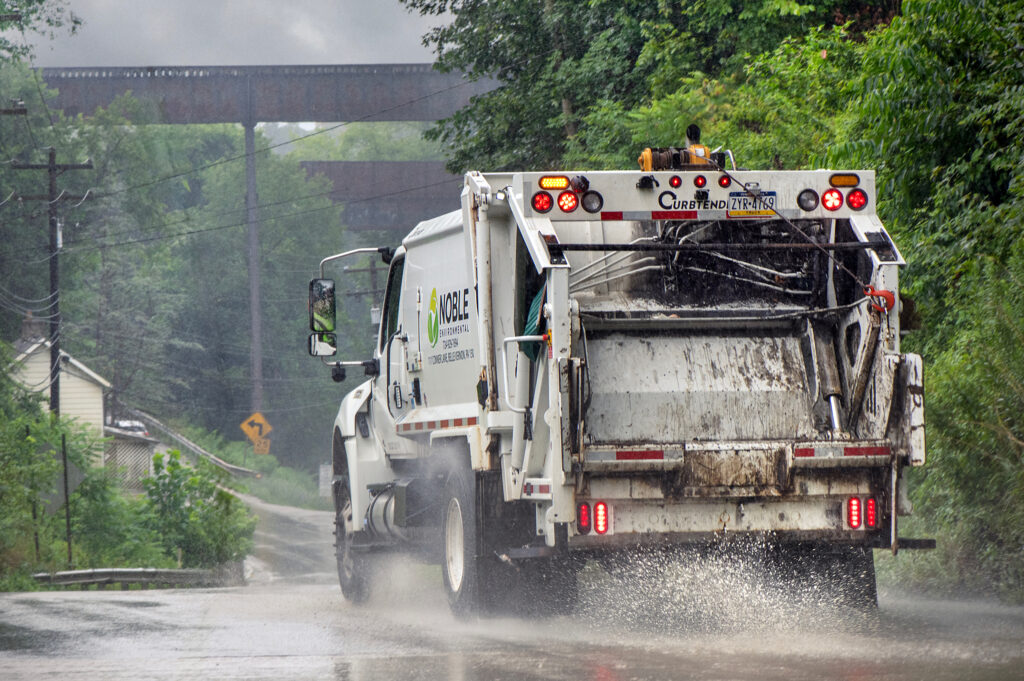
    Fracking contaminates the water used to fracture the fuel bearing layers. This contamination is permanent, so disposal of the water is a cost that the industry would like to “externalize” which means they’d like to have others deal with it. They have various schemes, which don’t clean it, they make it the base for another product such as snow-melting-brine. This, of course, doesn’t clean it up it just spreads it over a large geographical area where it gets back into streams and rivers. The report which follows give some statistics. The big guys with deep pockets are shifting the hot potato to lots of little guys.

    It’s easy to imagine that this nasty water could end up labeled as something else, losing its toxic identification and then being released into the environment as benign. If sold to AI data centers for cooling, will it later be discharged into a sewer or evaporator?

  • Energy Demand Increase Stokes Fracking

    Our kids and grandkids will pay for this in horrible ways.

  • What’s new?

  • Documentary: Fracking’s Toll in New Mexico

  • Ohio’s Bad Guys

    The energy industry continues to push the limits and externalize the damage fracing does.

  • No, Gas is Not Sustainable